Sympathy arrangements explained: designs and wording tips
Sending flowers after a loss can feel like a small gesture, but it often carries a lot of weight. The right sympathy arrangement says what words sometimes can't. It can comfort a family, mark respect at a funeral, or simply let someone know they are not alone. That said, choosing the right design and the right message can be awkward if you've not done it before. What flower type feels appropriate? Should the card be formal or personal? And what if you want something meaningful without sounding stiff? This guide to Sympathy arrangements explained: designs and wording tips walks you through the practical side of choosing condolence flowers, writing a thoughtful message, and avoiding the usual missteps. You'll also find simple comparisons, real-world guidance, and a checklist you can use straight away.
Table of Contents
- Why sympathy arrangements matter
- How sympathy arrangements work
- Key benefits and practical advantages
- Who this is for and when it makes sense
- Step-by-step guidance
- Expert tips for better results
- Common mistakes to avoid
- Tools, resources and recommendations
- Law, compliance, standards, and best practice
- Options, methods, and comparison table
- Case study or real-world example
- Practical checklist
- Conclusion
- Frequently asked questions
Why Sympathy arrangements explained: designs and wording tips Matters
Sympathy flowers are not just decorative. They are part of a social ritual that helps people express care in a moment that can feel impossible to navigate. A well-chosen arrangement can be quiet and dignified, gently personal, or more formal depending on the situation. That matters because grief is deeply personal. One family may want understated white lilies and roses; another may welcome colour, fragrance, and a softer, more celebratory feel.
Design and wording both matter because they shape the tone of your gesture. A large casket spray, for example, sends a different message from a simple posy or a letter tribute. Likewise, the words on the card can be comforting or, if rushed, a little clumsy. Truth be told, many people spend more time choosing the flowers than they do on the message. But both deserve care.
There is also a practical side. Sympathy flowers often need to be delivered to a home, a funeral director, a place of worship, or a crematorium, and timing can be tight. If you're ordering online, details like delivery windows, card wording, and substitution policies become surprisingly important. Services such as flower delivery and clear delivery information are worth checking before you place the order, especially if the funeral date is fixed.
Key point: the right sympathy arrangement should feel respectful, appropriate to the relationship, and easy for the recipient to receive in a difficult week.
How Sympathy arrangements explained: designs and wording tips Works
At a practical level, sympathy flower ordering usually follows a simple pattern: choose the style, select the flowers or colour palette, add a card message, and arrange delivery. The details are where people get stuck. So let's break it down.
1. Choose the setting first
Where the flowers are going makes a big difference. A home delivery usually suits a vase arrangement, hand-tied bouquet, or basket. A funeral service may call for a wreath, spray, sheaf, or tribute design. If you're not sure, ask the florist or funeral director. A small check now saves awkwardness later. No one wants a bouquet arriving at a venue where it can't easily be displayed.
2. Decide on the emotional tone
Think about the kind of message you want the flowers to carry. Common tones include:
- Formal and traditional - often white flowers, symmetrical styling, and classic card wording.
- Warm and personal - softer colours, favourite flowers, and a message that names the person or shared memory.
- Quiet and understated - simple design, minimal palette, and a short message.
- Gentle celebration of life - more colour, seasonal flowers, and wording that reflects personality.
There is no single right answer here. The "best" arrangement is the one that feels considerate of the bereaved family's wishes and the person being remembered.
3. Select the design style
Most sympathy arrangements fall into a few familiar formats. They are easy to confuse if you've never ordered before, so here is the plain-English version:
- Wreaths - circular arrangements often used for funeral services, symbolising continuity and remembrance.
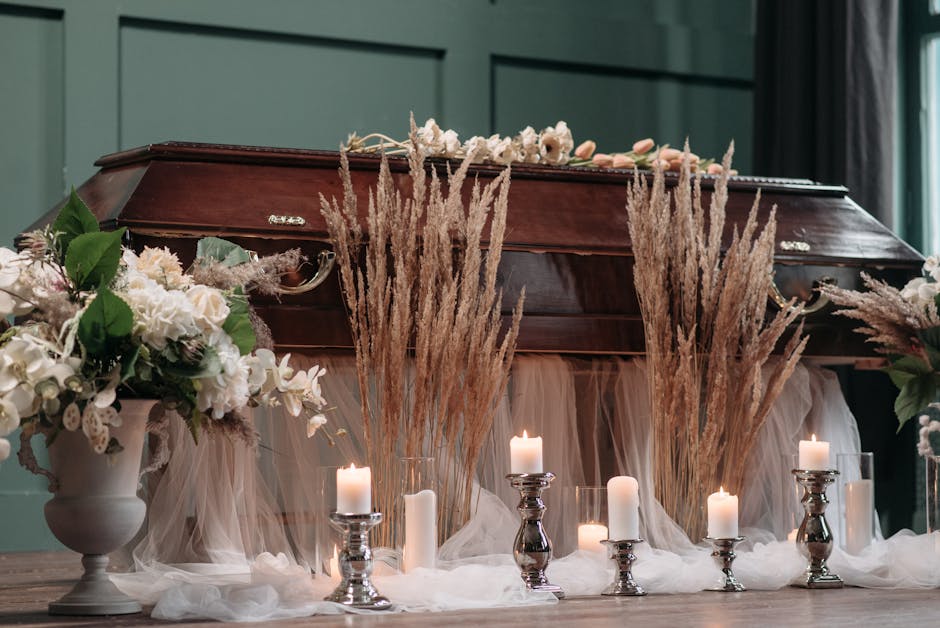
- Casket sprays - large arrangements placed on the coffin, usually chosen by immediate family.
- Sheaves - tied, elongated designs that can feel simple and respectful.
- Posies - compact round arrangements, suitable for smaller tributes or home delivery.
- Basket or vase arrangements - practical for sending to someone's home because they are easy to display.
- Letter tributes and shapes - initials, hearts, crosses, and other personalised designs, often used at services.
4. Write the card wording with care
The message should match your relationship to the recipient and the tone of the flowers. You do not need to write a mini speech. In fact, shorter is often better. A sincere line or two can be enough. If the card feels difficult, start with a simple structure: acknowledge the loss, express sympathy, and offer support if appropriate.
Example format:
With deepest sympathy on your loss. Thinking of you and your family at this sad time.
Or, if you knew the person well:
We will always remember David for his kindness and humour. Sending love to you all.
Notice how neither message tries too hard. That's often the sweet spot.
5. Confirm the practical details
Before placing the order, check recipient name, address, delivery date, and any funeral-time instructions. If the flowers are going to a funeral director, it helps to include the deceased's name and service time if requested. You should also review payment and ordering details so there are no last-minute surprises; the pages on payment and terms and conditions can help set expectations.
Small detail, but a big one: make sure the card message is typed exactly as you want it. A missing name or a typo in a condolence message can feel more upsetting than it would in any other context. Nobody's perfect, of course, but this is one place to triple-check.
Key Benefits and Practical Advantages
Thoughtful sympathy arrangements do more than look beautiful. They support people in very practical and emotional ways. Here are the main benefits.
They communicate care when words are hard
Lots of people struggle to know what to say after a bereavement. Flowers bridge that gap. They carry a message of presence, respect, and remembrance even when you feel you've got the wording all wrong.
They suit different relationships
The right arrangement can be tailored whether you are a close friend, neighbour, colleague, client, or family member. A colleague might send a neat vase arrangement with a restrained message. A sibling may choose a more personal tribute with favourite flowers. Different relationships, different tone.
They help create a gentle atmosphere
At a funeral or memorial service, flowers soften the room. White blooms, greenery, and seasonal stems can create a calm visual backdrop. You often notice the scent first when you walk in: lilies, roses, eucalyptus, maybe something fresher and greener. It changes the feel of the space without drawing too much attention to itself.
They can be practical as well as symbolic
Some arrangements are designed to be easy to place, transport, or take home after the service. A vase arrangement avoids the need for the recipient to find one. A compact basket can sit on a table without fuss. Small practical touches matter a lot in the middle of a difficult week.
They offer flexibility on budget and style
You do not need a huge display to show respect. A simple arrangement with good-quality flowers and thoughtful wording can feel more appropriate than something extravagant. In many cases, restraint is the more elegant choice. Less can absolutely be more.
For readers comparing options, it may help to look at the wider flower ranges and service standards offered by the main flower collection alongside support pages like guarantees and returns and refunds so you understand what happens if something needs attention.
Who This Is For and When It Makes Sense
Sympathy arrangements are appropriate in a range of real-life situations, and the right choice depends on your role and the setting.
Close family
If you are immediate family, you may be choosing the main funeral tribute, such as a casket spray or a large personalised arrangement. This is usually a more involved decision because it often sits at the centre of the service. The flowers may reflect the person's favourite colours, hobbies, or character. Think of it as a visual farewell.
Friends and extended family
Friends often choose wreaths, basket arrangements, or hand-tied bouquets. These are suitable for funerals, memorials, or home delivery. If you shared a long friendship, a slightly more personal card can feel appropriate, but keep it natural rather than overdone.
Colleagues and workplaces
In a workplace setting, a group sympathy arrangement is often sent on behalf of a team or company. The tone should generally be respectful and neutral, especially if not everyone knew the deceased well. This is where concise wording works beautifully.
Neighbours and community groups
A sympathetic arrangement can be a quiet, neighbourly gesture. A small bouquet to the home or a simple tribute for a service is often enough. You don't need to say a lot. Sometimes a short message like "With sincere condolences" is enough to show you care.
If you're unsure what is appropriate
Here's the honest answer: if you're unsure, choose something understated and avoid overly theatrical designs. White and cream flowers are safe, calm, and respectful. If the family has mentioned a preference for colour, or the person loved bright blooms, then you can lean more personal. Ask yourself: would this feel comforting to receive? That question helps a lot.
Step-by-Step Guidance
If you want a simple path through the decision, use this process. It keeps things manageable and reduces the chance of an awkward order.
- Confirm the occasion and delivery point. Is it a funeral service, memorial, or home address? This changes the design.
- Choose the arrangement style. Select wreath, posy, bouquet, basket, spray, or tribute depending on the setting and your relationship.
- Pick the colour palette. White, cream, and soft green are classic. Pink, blue, yellow, and seasonal mixed colours can feel more personal when appropriate.
- Select meaningful flowers. Roses, lilies, carnations, chrysanthemums, orchids, and seasonal stems each carry a slightly different feel. Use favourites where suitable.
- Write the card message. Keep it sincere, short, and legible. Avoid trying to be clever. This is one of those moments where simple wins.
- Check delivery timing carefully. Funeral flowers are time-sensitive. Review the florist's delivery guidance and the venue's instructions before ordering.
- Review order details. Names, dates, address, and spelling matter. A lot.
- Confirm aftercare if needed. If the flowers are for the home, make sure the recipient knows how to keep them fresh. Helpful aftercare advice is often available through flower care guidance.
If you are ordering in a hurry, don't panic. A good florist can often guide you through the choices quickly. A calm phone call or message is usually enough to sort the basics.
Expert Tips for Better Results
These are the little details that make sympathy arrangements feel more considered.
Match the arrangement to the person, not just the occasion
A gardener may be remembered with seasonal stems and soft greenery. Someone who loved the coast might suit pale blues and whites. A parent who adored roses may be better honoured with classic rose-based work. Personal touches matter, but keep them subtle.
Keep the wording natural
The best card messages sound like they were written by a real person, not copied from a greeting card shelf. If you are close to the family, you can add one memory or one line of support. If not, simple sympathy is enough. You do not need to explain grief. Just acknowledge it.
Use colour with intention
White suggests calm and remembrance. Cream and green feel soft and understated. Pale pink can bring warmth. Deeper colours can feel formal or rich, but they need a careful touch. Too many strong colours together can make a sympathy design feel busy, which is usually not what you want.
Think about the journey of the flowers
A design that looks lovely at the shop must also travel well. If the arrangement is going by courier or same-day delivery, structure matters. A sturdy base, secure packaging, and proper hydration make a real difference. This is one reason delivery standards and care instructions are worth checking before you order.
Avoid over-explaining in the card
You might feel tempted to write a long note because the loss feels so significant. But the card on the flowers is not the whole conversation. A separate letter, message, or call can do the fuller emotional work. The flower card can stay brief.
Use a second pair of eyes if the message feels sensitive
If you're writing on behalf of a group or company, have one other person read the wording. It sounds simple, but it catches accidental awkwardness. Also, humans do typo the most important things. That seems to be a rule.
For larger organisations, the corporate accounts page may be useful if you regularly arrange sympathy flowers for staff, clients, or partner organisations.
Common Mistakes to Avoid
People usually mean well with sympathy flowers, but a few avoidable mistakes can make the process harder than it needs to be.
Choosing a design that is too casual for the setting
A cheerful hand-tied bouquet may be lovely at home, but it may not suit a formal funeral service. Always check the setting first.
Writing a card that is too generic
"Thinking of you" is kind, but on its own it can feel a little thin if you knew the person well. Try to add one more sentence or one memory if appropriate.
Using humour or overly personal language in the wrong context
Sometimes people reach for banter when nervous. Don't. Even gentle humour can land badly if the recipient is overwhelmed.
Forgetting delivery instructions
Funeral venues, crematoriums, churches, and family homes all have different needs. If you leave out important details, the flowers may arrive at the wrong time or the wrong place. It happens more often than people think.
Choosing the wrong size
Too large can feel intrusive. Too small can feel underdone. The right size depends on your relationship and the event. If in doubt, ask the florist for guidance rather than guessing.
Ignoring substitution policies
With seasonal flowers, substitutions are sometimes necessary. That's normal. What matters is whether the florist will keep the style, palette, and overall feel consistent. This is where a good guarantee page can help set expectations, such as quality guarantees.
Tools, Resources and Recommendations
You do not need a toolbox to choose sympathy flowers, but a few practical resources make the process easier.
1. A simple wording checklist
Before you finalise the card, ask:
- Have I spelled every name correctly?
- Does the wording match my relationship to the recipient?
- Is the tone respectful and calm?
- Have I kept it short enough to fit neatly on the card?
- Would I be comfortable hearing these words out loud?
2. Flower meaning as a rough guide
Flower symbolism can help, but it should not trap you. Meanings are more like gentle hints than hard rules. White lilies often read as classic sympathy flowers. Roses can signal love or respect. Carnations are long-lasting and versatile. Chrysanthemums are widely used in remembrance work. Seasonal flowers can add warmth and freshness. Use meaning as support, not as a script.
3. Delivery and service pages
If timing matters, read the florist's service pages before ordering. Useful links include delivery details, flower delivery options, and contact us for questions about a specific order.
4. Business and policy pages
Trust matters when you're sending something as sensitive as condolence flowers. It can help to review the florist's about us, privacy policy, and sustainability information so you know who you are buying from and how they handle the order.
5. Aftercare help
If the flowers are going to someone's home, a short note about placement and water can extend their life. Keep them away from radiators, direct sunlight, and fruit bowls. Yes, really. That fruit bowl on the kitchen table can shorten vase life more than people expect. If you want more detail, the site's flower care advice is a sensible place to start.
Law, Compliance, Standards, and Best Practice
For sympathy flowers, the main concerns are not legal in the strictest sense, but practical and ethical. In the UK, the important standards are usually around truthful product descriptions, clear pricing, reliable delivery, data privacy, and fair handling of orders. You should expect clear terms, visible contact information, and understandable policies.
If you are placing an order online, it is sensible to read the florist's terms and conditions and privacy policy. That's especially true if you are sharing personal details for funeral delivery or special instructions. You should also check whether the business explains substitutions, missed deliveries, and refunds in a transparent way. Pages such as returns and refund can help you understand what happens if there is an issue.
For best practice, the arrangement should:
- match the occasion and venue appropriately
- be delivered within the requested time window where possible
- use wording that is respectful and accurate
- respect the recipient's privacy and personal circumstances
- be described honestly, including seasonal variations where relevant
There is also a wider ethical dimension. Many customers care about supply chains and working practices, so it is reasonable to look for businesses that publish a modern slavery statement and broader sourcing information. That may sound like a background detail, but it says something important about how a business operates.
If you need accessibility support while ordering, a published accessibility statement is another good sign that the service has considered different user needs. Small things, but they add up.
Options, Methods, and Comparison Table
If you are choosing between formats, this comparison can make the decision easier. It's not exhaustive, but it covers the most common sympathy choices.
| Arrangement type | Best for | Tone | Practical note |
|---|---|---|---|
| Wreath | Funeral services and formal tributes | Traditional, respectful | Usually displayed at the service; ideal for a calm, circular design |
| Casket spray | Immediate family | Personal, central, ceremonial | Placed on the coffin, often larger and more customised |
| Posy | Smaller tributes and home sympathy | Gentle, simple | Compact and easy to place on a table or sideboard |
| Basket arrangement | Home delivery or memorial gifts | Warm, approachable | Practical because it usually needs no vase |
| Hand-tied bouquet | Sending condolences to a home | Flexible, personal | Can be combined with a vase if needed, though not always included |
| Letter tribute | Funeral services and personalised remembrance | Highly personal | Good for initials, names, or symbolic shapes |
If you're still deciding, ask yourself two questions: will this be seen at a service or in a home, and do I want the arrangement to feel formal or personal? Those two answers usually narrow things down quickly.
Case Study or Real-World Example
Here's a realistic example, based on a common situation rather than a named case.
A small team at a London office learns that a colleague's mother has passed away. They want to send flowers to the family home, but they are unsure whether to choose something formal or more personal. The team lead also worries about the wording because not everyone knew the mother well.
They settle on a white and pale green basket arrangement. Why? Because it feels calm, dignified, and easy to place in the home without extra fuss. They avoid a large funeral tribute because the flowers are not for the service itself. On the card, they keep the wording simple:
With sincere condolences from all of us at the team. Thinking of you and your family.
One colleague adds a short second line by hand: "She sounded like a truly special person." That tiny addition makes the message warmer without becoming too familiar. The family later says the flowers were a comfort to receive on a grey afternoon, when the post was piling up and the house felt very quiet. That's the sort of detail that matters more than people realise.
The lesson is straightforward: when in doubt, choose an arrangement that is easy to receive, easy to place, and easy to read emotionally.
Practical Checklist
Use this before you place the order. It's a simple sanity check, and honestly, it saves hassle.
- Have I confirmed whether the flowers are for a home, funeral, or memorial?
- Does the arrangement style suit the occasion?
- Have I chosen colours that feel appropriate?
- Do I know whether the recipient prefers something formal or personal?
- Is the card wording short, sincere, and correctly spelled?
- Have I included all delivery details, including venue or time if needed?
- Have I checked delivery and timing information?
- Have I reviewed payment, terms, and substitution policies?
- Do I know how the flowers should be cared for after delivery?
- Have I double-checked names, addresses, and contact details?
Quick reassurance: if you've answered yes to most of these, you are already doing better than most people who order sympathy flowers in a rush.
Conclusion
Sympathy arrangements work best when they are thoughtful, simple, and appropriate to the relationship and setting. The design should fit the occasion. The wording should feel sincere without overreaching. And the practical details - delivery, timing, card text, and care - should be checked with the same attention you'd give to any important message. That's really the heart of Sympathy arrangements explained: designs and wording tips: not perfection, just genuine care expressed in a clear, respectful way.
Whether you are choosing flowers for a funeral, sending a tribute to a family home, or helping a colleague at work, a calm and considered arrangement can say a great deal. Keep it simple where needed. Personal where it matters. And don't be afraid to ask for help if you're unsure. A good florist understands these moments and can guide you through them gently.
Get a free quote today and see how much you can save.
And if you're still standing there wondering whether the message is "good enough," it probably is. Kindness usually is.
Frequently Asked Questions
What are sympathy arrangements?
Sympathy arrangements are floral tributes sent to express condolences after a bereavement. They may be delivered to a family home, funeral venue, church, or crematorium, depending on the occasion.
What flowers are best for sympathy arrangements?
Classic choices include lilies, roses, carnations, chrysanthemums, orchids, and seasonal white or soft-toned flowers. The best choice depends on the tone you want and any known preferences of the person being remembered.
What should I write on a sympathy flower card?
Keep it short, sincere, and appropriate to your relationship. A simple message such as "With deepest sympathy" or "Thinking of you at this sad time" is often enough. If you were close to the person, you can add a brief personal line.
Should sympathy flowers be white?
White is a traditional and very safe choice because it feels calm and respectful. That said, sympathy flowers can also include cream, green, pastel shades, or even gentle colour if it suits the person and family.
What is the difference between a wreath and a posy?
A wreath is a circular funeral tribute, usually more formal and often used at services. A posy is smaller and more compact, making it suitable for home sympathy or smaller tributes.
Can I send sympathy flowers to someone's home?
Yes, absolutely. A hand-tied bouquet, basket arrangement, or vase arrangement is often appropriate for home delivery. Just make sure the recipient will be able to receive and display it easily.
How soon should sympathy flowers be sent?
As soon as you are able, especially if they are going to a funeral or memorial with a fixed date. If sending to a home, timing is more flexible, but it's still thoughtful to send them promptly after hearing the news.
Is it okay to send colourful sympathy flowers?
Yes, if it feels suitable. Some families prefer traditional white arrangements, while others welcome brighter colours as a celebration of life. If in doubt, keep colours soft and balanced.
How do I choose sympathy flowers for a colleague?
Choose something respectful and not too personal unless you knew the bereaved person well. A vase arrangement or basket with a short card from the team is usually a safe and considerate option.
What if the florist has to substitute flowers?
Seasonal substitutions are normal, but the florist should keep the overall style, colour palette, and value consistent. It's worth reviewing the florist's guarantees and terms so you know how substitutions are handled.
Can sympathy flowers include a personal tribute shape or letters?
Yes. Letter tributes, hearts, and other shaped designs are common for funerals and memorials, especially when you want to reflect the person's name, initials, or personality.
Do sympathy arrangements need special care after delivery?
Yes, if they are going to a home. Keep them in a cool place, topped up with fresh water if they are in a vase, and away from heat or direct sun. Simple flower care can help them last longer during a difficult week.
Where can I find delivery and policy information before ordering?
It's a good idea to read the florist's delivery, returns, payment, and terms pages before you order. That way you know how the service works and what to expect if anything needs attention.
Can I order sympathy flowers online if I'm not in the UK?
Yes, many people do. You will need to make sure the recipient's address, delivery instructions, and timing are correct. If you're ordering from abroad, allow extra time to review the details carefully before checkout.